
 ~5 MIN
Skill Tree Overhaul, Sets Return, Endgame Rework and What It Means for Players
Diablo 4’s upcoming expansion, Lord of Hatred, is shaping up to fundamentally reshape how the game plays — especially in terms of skill progression, itemization, and endgame systems.
A recent developer Q&A revealed major changes that go far beyond simple balance tweaks. We’re talking about:
- Complete removal of passive skills from the skill tree
- Unique item philosophy changes
- Set items returning (in a new form)
- Atlas-style Warplane endgame progression
- Combat readability improvements
- Major power scaling rebalancing
Let’s break down what this means — and how it could redefine Diablo 4’s future.
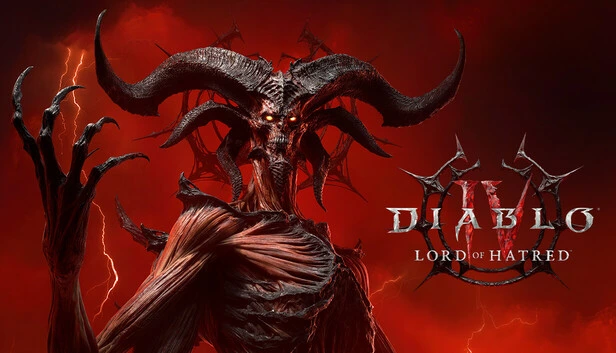

Skill Tree Overhaul: Passives Are Gone
One of the most dramatic changes: all passive skills are being removed from the skill tree.
Yes — completely.
The new philosophy is simple:
- The skill tree should focus on skill customization.
- Passive “free power” caused imbalance between builds and classes.
- Power progression will move to Paragon boards, legendary gear, and crafting systems.
Previously, many builds gained massive multipliers from passive nodes. Some classes benefited heavily, others far less. That disparity made balancing extremely difficult.
By removing passives:
- Power becomes more gear-focused.
- Skill points now directly enhance abilities.
- The baseline leveling experience should feel smoother.
This is a massive systemic shift. Expect every build to feel structurally different.
If you’re preparing for the expansion and want to jump straight into optimized progression, securing early-game currency like Diablo Gold Coins can significantly reduce friction when reworking builds.
Skill Ranks Expanded (Up to 12+)
Skills can now be ranked up to 12 points within the skill tree itself. That number may change, but the direction is clear: deeper investment into core abilities.
Importantly:
- Skill ranks can exceed 12 via gear.
- Skill scaling works similarly to now, just expanded.
There’s speculation that certain milestone ranks (like 5 or 10) may grant bonus effects, but that isn’t confirmed.
What this means practically:
- More direct scaling in abilities.
- Less reliance on passive multipliers.
- More control over core playstyle identity.
Unique Items: Still Build-Defining
Uniques will remain build-defining — not just stat sticks.
However:
- Some previous unique effects are being integrated into the skill tree.
- Many uniques will likely receive redesigned powers.
- The number of effectively “new” uniques could be massive.
This opens the door for:
- New build archetypes.
- Reworked versions of old builds.
- Completely different gameplay loops even with the same skill.
If you’re aiming to experiment heavily with reworked uniques and scaling, high-end preparation through the Diablo High Tier Bundle can help you hit peak performance faster once changes go live.
Legendary Aspects: Staying, But Evolving
Legendaries will still use the Aspect system.
However:
- Gameplay-altering aspects may shift into the skill tree.
- Aspects may become more focused on raw power scaling.
- Philosophy around item identity is changing.
We don’t yet know the full scope of these adjustments, but it’s clear itemization is undergoing significant evolution.
Loot Filter and Salvaging Philosophy
The loot filter will hide unwanted items completely — no more visual clutter.
However, it will NOT auto-salvage filtered gear.
The developers want to reduce salvaging as a mandatory activity rather than automate it. Salvaging will be important early but less critical long-term.
This indicates a shift toward:
- Cleaner loot flow.
- Less inventory maintenance.
- More intentional item decisions.
Set Items Return — But Through Talismans
Set items are coming back — but not in the Diablo 3 style.
Instead of full gear sets dominating builds, sets will:
- Exist through the Talisman system.
- Function more like playstyle amplifiers.
- Be combinable (2-piece, 3-piece, mixed sets).
- Coexist with unique charms.
The goal is avoiding:
- The “mandatory 6-piece meta.”
- Massive 10,000% damage multipliers.
- Build lock-in.
Instead, sets will provide gameplay flavor rather than absurd power spikes.
This hybrid system allows:
- Mixing multiple 2-piece bonuses.
- Combining sets with unique charms.
- More flexible build architecture.
Solo Self-Found Mode (Coming Later)
Solo Self-Found is confirmed — but not launching with the expansion.
It’s tied to leaderboards and the Tower system, which are still being finalized.
When implemented, it will:
- Remove trading.
- Emphasize self-earned progression.
- Likely connect to competitive ranking.
This will significantly change how players approach long-term builds.
Warplane System: Endgame Depth
The Warplane system introduces:
- Activity trees.
- Customizable difficulty.
- Targeted content selection.
- Loot influence mechanics.
The philosophy is:
- Early endgame stays accessible.
- Depth scales as you engage deeper systems.
- Veterans get complexity.
- New players aren’t overwhelmed.
This layered design is crucial for Diablo 4’s long-term health.
If you’re planning to dive deep into high-difficulty content early, targeted farming through Nightmare Dungeons will remain one of the most efficient gearing paths.
Combat Readability Improvements
Late-game combat — especially in high-tier content — has suffered from:
- Excessive ground explosions.
- Overlapping elite affixes.
- Visual clutter.
The developers confirmed they are:
- Reworking elite affix readability.
- Reducing screen chaos.
- Improving clarity in endgame combat.
This is critical for player satisfaction, especially in Hardcore.
Player Power Rebalance and Torment Scaling
Perhaps the biggest takeaway:
Player power is being drastically tuned.
With:
- Passives removed.
- Itemization reworked.
- Skill scaling changed.
The entire power curve is being reset.
Torment levels will likely expand further. Difficulty scaling systems are evolving.
This suggests:
- Tighter build balance.
- Smaller gap between meta and non-meta builds.
- More viable archetypes.
What This Means for You
This expansion isn’t incremental.
It’s structural.
Expect:
- Builds to feel different.
- Gear priorities to shift.
- Progression pacing to change.
- Endgame difficulty to be rebalanced.
If you want to enter the expansion strong:
- Secure early-game gold through Diablo Gold Coins.
- Accelerate character progression via Diablo Leveling Boost.
- Prepare for high-end content with the Diablo High Tier Bundle.
Early momentum matters.
Final Thoughts
Diablo 4: Lord of Hatred isn’t just adding content.
It’s redefining:
- How builds scale.
- How items define identity.
- How endgame progression feels.
- How balance is maintained.
The real test will be execution.
If tuning is handled well, this expansion could:
- Narrow build disparity.
- Improve endgame depth.
- Restore long-term excitement.
If not, balance chaos may return.
Either way — preparation is power.
And this expansion will reward players who enter it ready.