
Content:

Killstreaks, Bloodied Items, Sigils, Bosses, and Why This Season Rewards Skill

Season 12 does not reinvent Diablo IV — and that’s intentional. Instead of sweeping overhauls, Blizzard focuses on player performance, pacing, and consistency, introducing systems that reward clean play while quietly increasing difficulty.

This article breaks down:

  • The killstreak system and how it changes leveling
  • What bloodied items actually do (and what they don’t)
  • Why bloodied sigils are more important than the gear itself
  • How bosses and Infernal Hordes scale difficulty
  • Why Season 12 feels harder without feeling unfair
Promo

Killstreaks – A Direct Reward for Playing Well

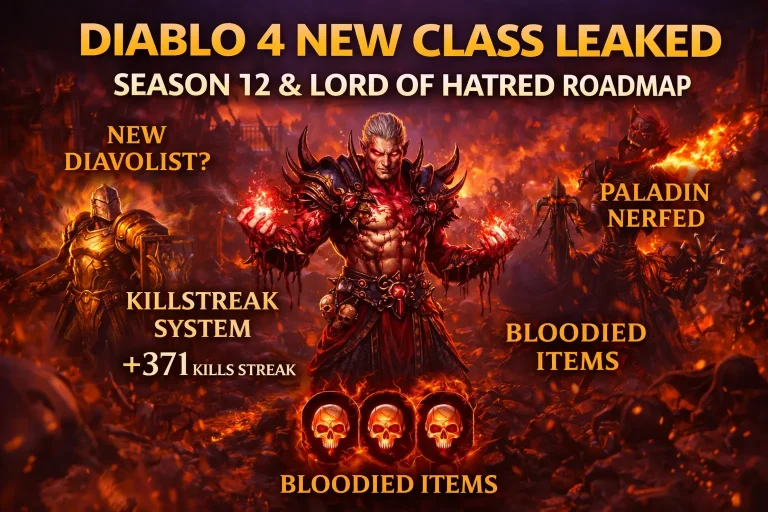
The killstreak system is the defining feature of Season 12.

How Killstreaks Work

  • Killing monsters builds a killstreak meter
  • Higher tiers = bigger rewards
  • Hitting enemies (not killing) extends the duration
  • When the meter expires, you receive a large XP chunk

The system is surprisingly forgiving:

  • The meter decays slowly
  • You can dash or mount between packs
  • First hit on the next pack keeps the streak alive

In practice, this means:

If you’re fast, efficient, and decisive, you level dramatically faster.

This makes leveling feel active and skill-based, especially for players pushing to Paragon quickly — often supported with efficient gold and setup through Diablo Gold Coins to avoid early bottlenecks.

Killstreaks in Endgame – Strong but Fragile

In endgame content like The Pit, killstreaks behave differently.

  • You can maintain a streak indefinitely while clearing
  • Backtracking kills the streak instantly
  • Portals, loading screens, and boss run-ins can break it

If you manage to keep the streak into a boss:

  • The boss hit maintains the streak
  • Bloodied item bonuses remain active

But any interruption — portal load, long run, delay — wipes it out. This adds tension and encourages clean routing, not brute force.

Bloodied Items – Powerful on Paper, Subtle in Practice

Bloodied items scale bonuses based on your killstreak tier.

Examples of Bloodied Bonuses

  • +5% Critical Strike Chance per killstreak tier
  • +6% Attack Speed per tier (very strong)
  • Resource cost reduction
  • Berserking procs every X kills
  • Bonus salvage materials (open world only)

What Actually Matters

Power-wise, only two stats truly stand out:

  • Critical Strike Chance
  • Attack Speed

Everything else is situational or marginal.

With two strong bloodied items:

  • 100% crit chance is achievable
  • 200%+ attack speed becomes realistic

But most builds already solve resource and uptime issues. Bloodied items enhance efficiency, not redefine builds.

Bloodied Items Drop Early — and Often

Bloodied gear is not rare.

By level 20:

  • Characters are often fully bloodied
  • Killstreak bonuses are active almost constantly

Endgame changes that:

  • You now need the right unique
  • With the right affixes
  • With the right bloodied roll

This turns bloodied gear into a long-term optimization grind, not a requirement. Players optimizing faster often lean on structured setups like Diablo High-Tier Bundle to test builds without weeks of RNG.

Bloodied Sigils – The Real System Change

The real power of Season 12 isn’t bloodied items — it’s bloodied sigils.

These drop everywhere:

  • Nightmare Dungeons
  • Infernal Hordes
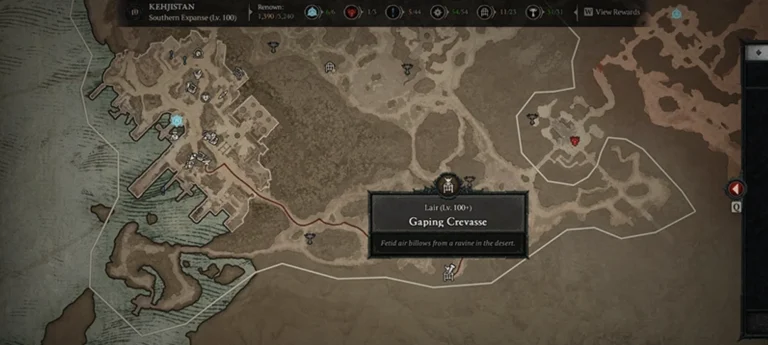
  • Boss Lairs

Even early leveling characters can accumulate dozens.

Why They Matter

Bloodied sigils allow you to:

  • Spawn Tier V bosses
  • Without using boss materials
  • At any Torment tier

That means:

  • Guaranteed boss loot
  • Guaranteed uniques
  • Much earlier access to boss farming

You can:

  • Enter Torment I
  • Use a bloodied sigil
  • Kill a Torment II boss
  • Get full loot immediately

This removes one of Diablo IV’s biggest early-endgame pain points.

Boss Difficulty – Harder, But Fair

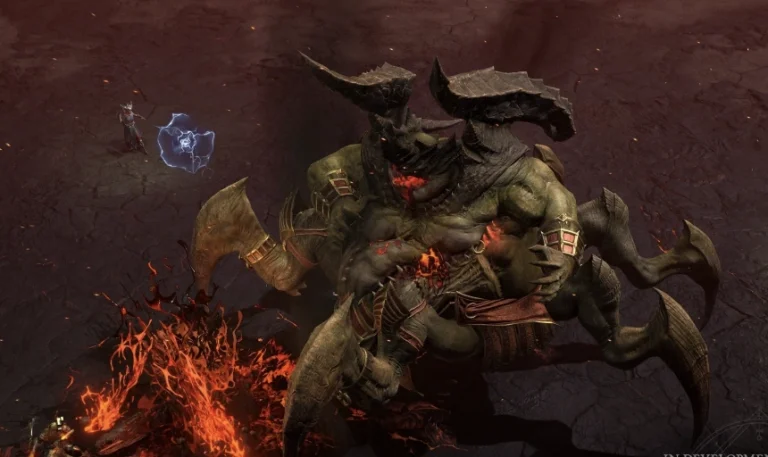
Tier V bosses are significantly tougher:

  • Massive health pools
  • Heavy incoming damage
  • Less room for sloppy play

However:

  • Fully geared characters still destroy them
  • Early characters feel the difficulty spike

This creates a natural progression curve:

  • Skilled players push harder content sooner
  • Others stabilize before advancing

That makes Season 12 feel tougher without gating players artificially.

Bloodied Infernal Hordes – Chaos Mode

Bloodied Infernal Hordes are one of the most dangerous additions.

What to expect:

  • Multiple Butchers hunting you simultaneously
  • Extreme pressure
  • No Ether drops from Butchers (intentionally)

These encounters:

  • Demand real defenses
  • Punish glass-cannon setups
  • Reward preparation over raw damage

They’re optional — but for players seeking challenge, they’re one of the most intense PvE experiences in the season.

Bloodied Gear Is Optional — And That’s the Point

Bloodied items are not mandatory.

Even without them:

  • Builds perform well
  • Damage remains competitive
  • Survivability is unchanged

Their design creates:

  • Something for ultra-grinders to chase
  • Without punishing casual or mid-tier players

That balance keeps the season healthy.

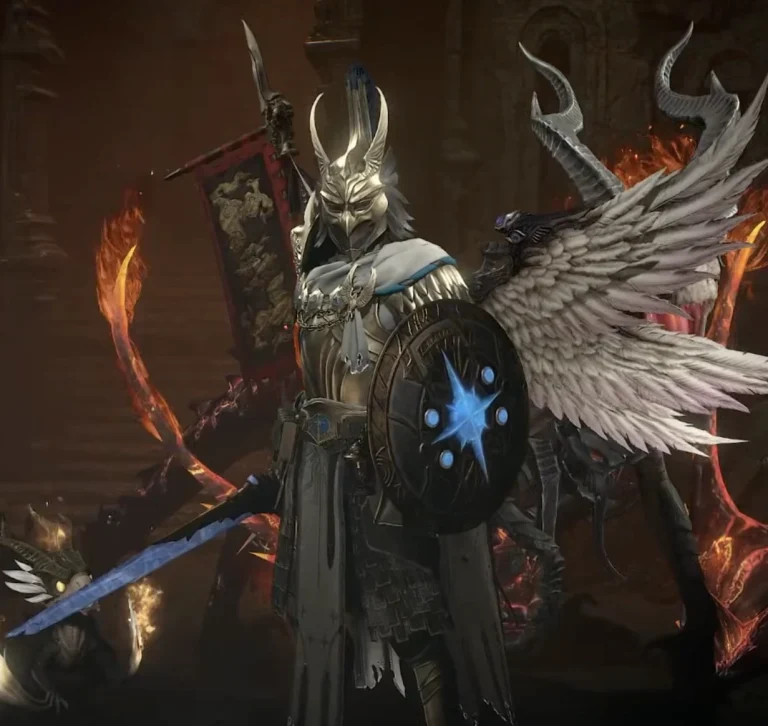
Judgement Paladin – Still Playable, No Longer Broken

Judgement Paladin survives Season 12 — but it’s no longer absurd.

What Changed

The Castle legendary node now scales damage as:

  • 125% of armor-based damage reduction
  • Instead of scaling directly off raw armor

Result:

  • Massive damage loss compared to Season 11
  • Armor stacking is no longer abusive
  • Build remains tanky, but less explosive

Judgement still works — but it requires rethinking gearing and scaling, not copying old setups.

Why Season 12 Feels Harder

Season 12 increases difficulty indirectly:

  • Rewards speed and execution
  • Punishes inefficiency
  • Reduces reliance on RNG spikes

Killstreaks:

  • Reward good play
  • Speed up leveling
  • Encourage fluent movement

Bad play:

  • Gets less XP
  • Loses streaks
  • Feels slower

That’s intentional.

The Big Picture

Season 12 is small — but focused.

It:

  • Doesn’t redefine builds
  • Doesn’t inflate numbers
  • Doesn’t trivialize content

Instead, it:

  • Rewards skill
  • Improves pacing
  • Smooths early endgame
  • Adds optional difficulty layers

For players who enjoy mastering systems rather than abusing them, Season 12 is quietly one of Diablo IV’s best-designed seasons.

Final Thoughts

Killstreaks feel good.
Bloodied items feel optional.
Bloodied sigils feel essential.

Season 12 doesn’t ask you to play more — it asks you to play better.

And that’s exactly the kind of difficulty Diablo IV needed.

Promo