
 ~5 MIN
Intro
For years, a large part of the WoW playerbase has felt something “off” about the game’s lore. Not necessarily bad writing—just misaligned. Plotlines like the machinery of death, the primalists, and the Eternal Ones often felt like they didn’t grow out of Azeroth’s history. And now, the reasoning is becoming clearer: many of these ideas appear to resemble concepts built for an entirely different universe.
This isn’t about blame. It’s about understanding how Warcraft’s modern story took shape and why the upcoming Midnight expansion may mark a major course correction. And if you’re preparing your characters for the next stages of the saga, advancing via TWW Leveling or gearing up for endgame with a Mythic+ Bundle can smooth your transition into the chapters ahead.
The Core Insight: Much of Modern WoW Lore Was Built Elsewhere
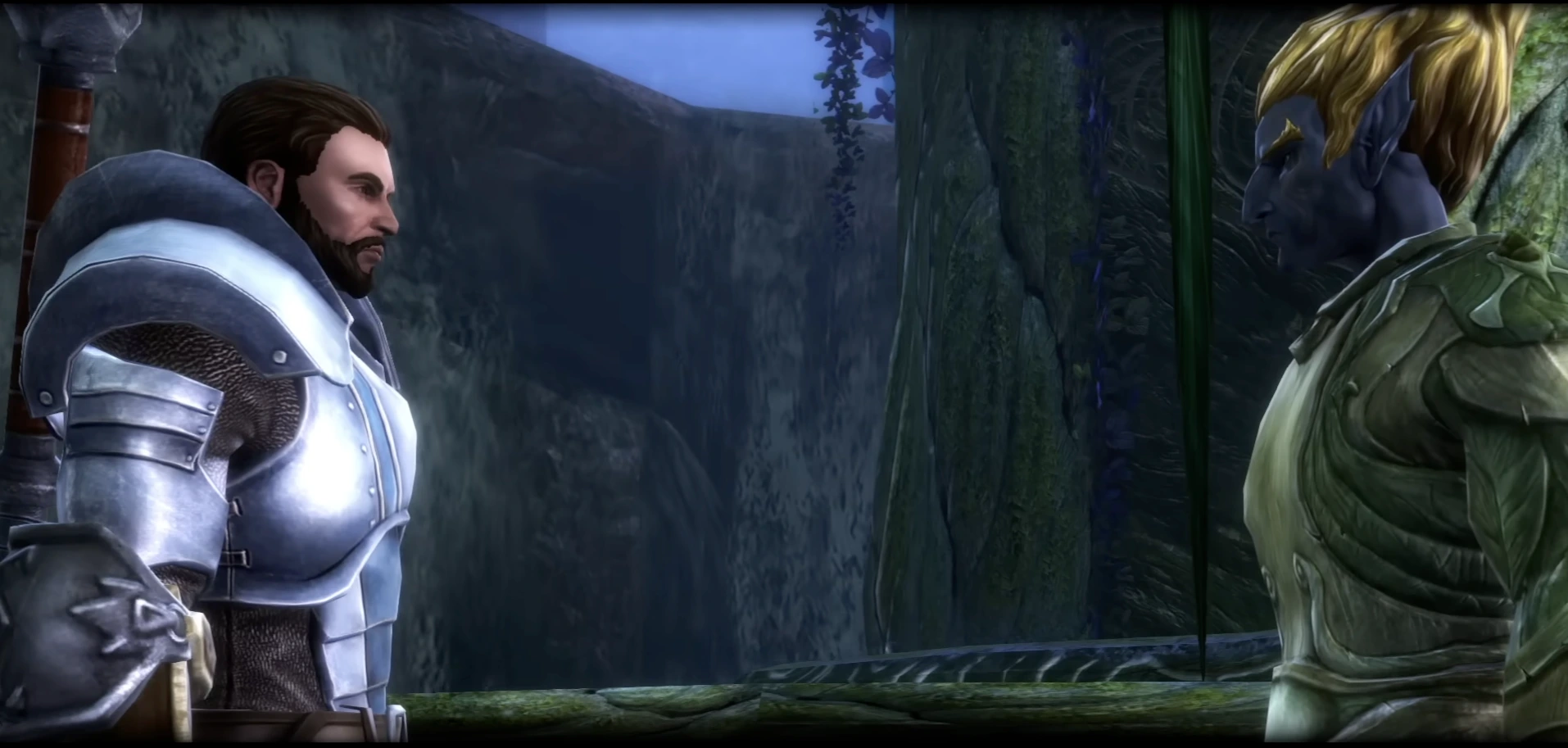
One of the most impactful revelations is that several major narrative beats introduced between Legion and The War Within share unmistakable parallels with Kingdoms of Amalur, another fantasy universe led by the same narrative director who shaped WoW’s recent expansions.
That includes:
- Elven races guarding world trees
- Fate-breaking protagonists
- Machinery of death concepts
- Immortal courts divided between summer and winter
- Dragons imprisoned for eras with cults trying to free them
- Titan-like cosmic threats that never fully manifest
These aren’t accidental similarities—they map directly onto some of Warcraft’s most debated additions, such as the Winter Queen/Summer Queen framework, the Jailer’s origin, primalist motivations, and the sudden elevation of fate as a core storytelling mechanic.
This helps explain the disconnect many players felt: these ideas weren’t grown from Warcraft’s soil—but transplanted into it.
Shadowlands: The First Major Collision Between Worlds
Shadowlands introduced:
- The machinery of death
- Fate as a manipulable cosmic force
- The Maw Walker as someone whose actions cannot be predicted
- Eternal Ones modeled after archetypes outside Warcraft’s previous cosmology
These ideas weren’t inherently bad—they simply didn’t feel like Warcraft.
In Kingdoms of Amalur, the protagonist is the Fateless One, who breaks destiny and disrupts immortal beings locked in endless cycles. In Shadowlands, the player suddenly becomes a fate-breaking entity whose actions the cosmos cannot foresee.
Both stories hinge on:
- Resurrections that defy the natural order
- Broken machinery determining the afterlife
- Immortal courts disrupted by an outside force
This is compelling fantasy, but it explains why players felt like the expansion could have belonged to a different game.
If you are revisiting Shadowlands dungeons or farming cosmetics, picking up some EU Gold or US Gold can help accelerate the process.
Dragonflight: More Parallels, More Disconnection
Dragonflight introduced the primalists—an army whose origins felt abrupt and disconnected from existing lore. Like Amalur’s winter court usurpers who served a buried dragon, Dragonflight’s primalists served imprisoned proto-dragons waiting to be freed.
The parallels include:
- Dragons trapped beneath mountains
- Armies raised to break their chains
- Cult leaders hearing the whispers of ancient beings
- Sudden emergence of entirely new factions without organic buildup
Again, these story beats work well in a vacuum. They just weren’t seeded through Warcraft’s history, causing veteran players to struggle with the sudden shift.
If you’re preparing to push Primalist-themed Mythic+ in upcoming seasons, the Mythic+ Bundle offers a strong way to upgrade your baseline quickly.
The Arathi (and Arathy): What Midnight Was Originally Heading Toward
The War Within introduced the Arathi of Avaloren—an ancient race that seemed to appear from nowhere. Their design echoes Amalur’s Arathi (spelled differently), a lost civilization tied to the fae and ancient empires.
Their sudden appearance suggests Midnight may originally have been planned as a more Amalur-inspired expansion—before a major creative shift took place.
The lore we see now, under Metzen’s direction, reinterprets these notes but redirects the saga back toward Warcraft’s foundational pillars:
- The Windrunner sisters
- The Sunwell
- The Void versus the Light
- Elven storylines grounded in Warcraft 3
This pivot is why Midnight feels promising. It’s returning to themes that belong to Azeroth.
If you want to prepare your main for this new lore era, consider optimizing your gear through Manaforge Omega runs or improving your arena fundamentals with PvP Coaching.
Why Lore Felt Wrong — And Why It May Improve From Here
The issue wasn’t that writers were incompetent. It was that:
- Blizzard was going through internal upheaval
- Expansions were being built from partially inherited story ideas
- The narrative leadership changed multiple times
- Some expansions mixed different creative visions mid-production
- Timelines forced teams to stitch concepts together quickly
Now with Metzen back, WoW seems to be returning to:
- A cohesive long-term narrative plan
- Storylines rooted in Warcraft’s own past
- Clear thematic through-lines
- Fewer external influences
The War Within already feels more grounded, and Midnight is poised to continue this stabilization.
Final Thoughts — A New Era of Warcraft Storytelling
The past several expansions struggled not because Warcraft had run out of potential, but because its lore was temporarily shaped by ideas that originated outside Azeroth’s DNA. With leadership realigned and Midnight shifting focus back to classic themes, this could be the beginning of a strong narrative rebound.
If you’re preparing for this next era, now is a perfect time to get your character ready:
- Level fast with TWW Leveling
- Gear up for Mythic+ with a Mythic+ Bundle
- Upgrade your Heroic/Normal loot via Manaforge Omega
- Sharpen your PvP skills through PvP Coaching
- Or secure your gold reserves with WoW Gold EU / WoW Gold US
A more focused, internally consistent Warcraft is on the horizon—and this time, it feels like Azeroth might truly feel like Azeroth again.