Home / Path of Exile 2 / Path of Exile 2 Patch 0.4.0c Fallout — Why the Loot Nerf Angered Everyone

Path of Exile 2 Patch 0.4.0c Fallout — Why the Loot Nerf Angered Everyone

Table of contents

The Patch That Broke the League From Both Sides

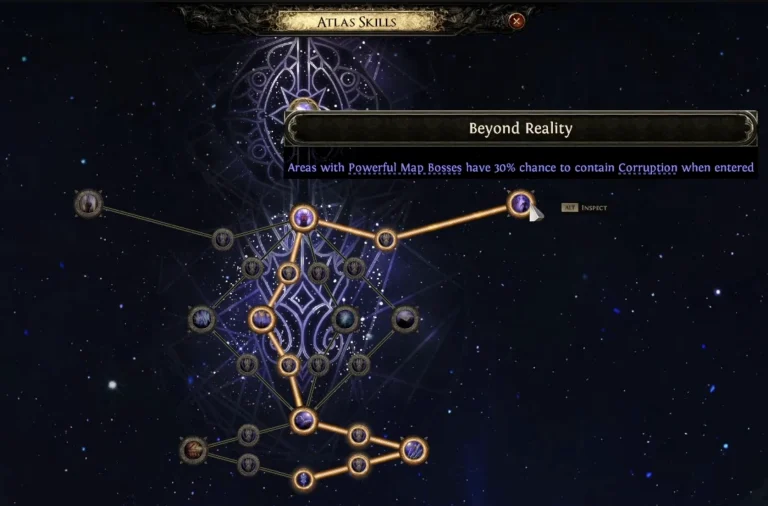
Patch 0.4.0c in Path of Exile 2 started as an extreme loot buff centered around Temple mechanics — and quickly escalated into one of the most controversial moments in the game’s early lifecycle. What followed was a rapid reversal via Hotfix XIII, aimed at fixing performance issues and runaway loot generation.

Instead of stabilizing the league, the change ended up frustrating both sides of the player base, exposing deeper structural problems in PoE 2’s loot and economy systems.

Two Player Camps — And Why Both Felt Burned

From the community reaction, two clear groups emerged:

The “Loot Explosion” Players

This group viewed patch 0.4.0c as the best version of PoE 2 so far. Massive Temple rewards, absurd Divine Orb drops, and unprecedented wealth generation felt similar to peak moments from Path of Exile 1’s most rewarding leagues.

For these players, the message was clear: farm now, because this will never exist again. Many optimized Temple setups to generate extreme amounts of currency in very short timeframes, flooding the economy with high-value items like Divines, Exalted Orbs, and other trade staples.

The Economy-Crushed Players

The second group experienced the exact opposite. As Temple runners generated hundreds — sometimes thousands — of Divines, trade prices for genuinely rare items skyrocketed.

Unlike single-player economies, Path of Exile’s trade system means other players’ wealth directly affects your progression. When a small group becomes massively wealthy, they can outbid everyone else effortlessly. This made league goals feel increasingly unreachable for casual and mid-tier players, pushing many to quit entirely.

Why Trade Economies Turn Loot Into PvP

In PoE 2, trade is effectively a PvP system. Every large purchase shifts prices, and extreme wealth generation compounds rapidly.

When one player can run optimized Temples repeatedly and walk out with dozens of Divines per run, they gain overwhelming control over the market. Items that Temples could not generate — such as boss-exclusive gems or lineage supports — inflated heavily, locking out anyone not participating in the exploit-adjacent farming strategy.

For players trying to keep up, raw drops no longer mattered — economic positioning did. This is why stable access to core currencies like Divine Orbs or Exalted Orbs became more important than ever just to stay competitive.

What Hotfix XIII Actually Changed

Grinding Gear Games responded with Hotfix XIII, introducing diminishing returns on Temple room modifiers.

Key change:

  • Diminishing returns now apply when four or more identical room types are placed
  • Lower-tier rooms are penalized first, preserving higher-tier value
  • The intent was to stop extreme stacking that multiplied monster count, rarity, and effectiveness across several axes

This directly targeted the “snake temple” setups that were pushing loot generation far beyond intended limits — setups that also caused severe server performance issues and crashes.

Why the Fix Came Too Late

The core problem wasn’t just how strong the Temples became — it was how long they were allowed to exist.

By the time Hotfix XIII arrived:

  • The economy was already heavily inflated
  • Massive amounts of currency had entered circulation
  • Prices for rare items had permanently shifted upward

For players who quit earlier, the fix didn’t restore fairness. For players who enjoyed the broken loot, the fun was abruptly removed. The result was a patch that didn’t meaningfully help either group.

Loot Stacking and Why PoE 2 Failed the Stress Test

Patch 0.4.0c didn’t just increase loot — it exposed a fundamental flaw in PoE 2’s loot stacking.

Temple rooms scaled:

  • Monster pack count
  • Monster effectiveness
  • Rarity
  • Additional multiplicative bonuses from synergistic rooms

When these axes stacked together, the system effectively limit-tested PoE 2’s loot engine — and it failed.

Unlike PoE 1, where extreme rarity mostly produced more common uniques, PoE 2 allowed massive drops of fungible currency, which is far more destabilizing for a trade economy.

Why Inflation Doesn’t Roll Back

Even after the nerf:

  • Existing currency remains in circulation
  • Prices don’t revert meaningfully
  • Casual players’ drops are still devalued

Unless a full economy reset occurs, inflation becomes permanent. This is why players entering late or playing slower felt punished, regardless of how they personally farmed.

At this stage, improving character efficiency and market positioning becomes critical. Many players respond by optimizing builds earlier — either through strong league starter builds or by directly improving existing builds to stay relevant in an inflated economy.

Community Backlash and the Scale of Discontent

Within minutes of Hotfix XIII being posted:

  • Forum threads exploded into dozens of pages
  • Community sentiment turned sharply negative
  • Confidence in the league’s direction dropped further

This wasn’t just about a nerf — it was about trust. Players felt that both the initial giga-buff and the delayed rollback showed a lack of control over core systems.

What Needs to Change Going Into Patch 0.5.0

The video argues clearly that Patch 0.4.x cannot realistically be fixed. The focus must shift to 0.5.0 and beyond.

Key suggestions raised:

  • Full loot system overhaul
  • Removal of player rarity as a scalable stat
  • Hard caps on monster rarity in extreme edge cases
  • Internal alert systems when loot values exceed safe thresholds

Without these safeguards, similar failures are likely to repeat.

Practical Takeaway for Players Right Now

For players still active in the league:

  • The economy is already distorted
  • Catching up through raw farming is harder than ever
  • Efficient resource access matters more than grind time

This is why high-impact items — from core crafting currency to ultra-rare chase pieces like Mirror of Kalandra — define real progression more than ever in late-stage trade leagues.

Final Wrap-Up: A Lesson in Loot Design

Patch 0.4.0c didn’t kill the league with a nerf — it damaged it with an unchecked buff. Hotfix XIII arrived too late to undo the economic consequences, leaving both high-end and casual players dissatisfied.

For Path of Exile 2 to thrive long-term, loot systems must be exciting without being limitless, and powerful without destabilizing the entire economy. Patch 0.5.0 will be a defining moment — not for more loot, but for smarter design.